
Flat and Low-Slope Roofing
TPO and low-slope membrane for flat sections, additions and modern rooflines.
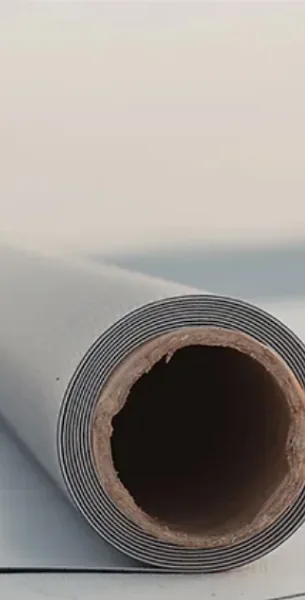


Why flat roofs need a membrane, not shingles
Shingles work by shedding water downhill fast. On a flat or low-slope roof there is no downhill, so water sits — and anything with a seam every few inches will eventually let it through.
Low-slope sections need a continuous membrane instead. TPO is the common choice: a single welded sheet with far fewer places for water to find a way in.
Plenty of houses around here are mostly pitched with one flat section — a garage, an addition, a dormer, a modern box. Those transitions between the two systems are where flat roofs usually fail, and they are the part worth getting right.
Signs a flat roof is failing
- Water still standing more than a day or two after rain
- Seams lifting, splitting or peeling back
- Blistering or bubbling across the surface
- Staining inside that appears well away from the wall line
TPO, torch-down and rolled roofing
Not all flat roofing is the same, and the older systems are still out there on plenty of Puget Sound houses.
TPO membrane
A single-ply sheet with heat-welded seams. The weld fuses the sheets into one continuous surface rather than glueing them, which is why it is the system we use. It reflects heat and holds up well to standing water.
Torch-down / modified bitumen
Asphalt sheets bonded with an open flame. Common on older low-slope roofs here and serviceable, but the seams are the weak point and it involves a torch on your roof.
Rolled asphalt
The cheapest thing that can be put on a flat section, and usually a sign someone was economising. Short life, seams every three feet. If this is what you have, that is often the whole problem.
Where flat sections actually fail
Almost never in the middle of the field. The failures are at the edges and the interruptions:
- The transition where a pitched roof drains onto the flat section. This is the single most common failure point on a Puget Sound house.
- Penetrations — vents, pipes, skylights, anything coming through.
- Perimeter edges and parapet walls, where the membrane has to turn up and terminate.
- Drains and scuppers that are blocked, so water sits instead of leaving.
Standing water is the symptom worth acting on. A flat roof is not meant to be a pond; if water is still there a day or two after rain, something is wrong with the slope or the drainage.
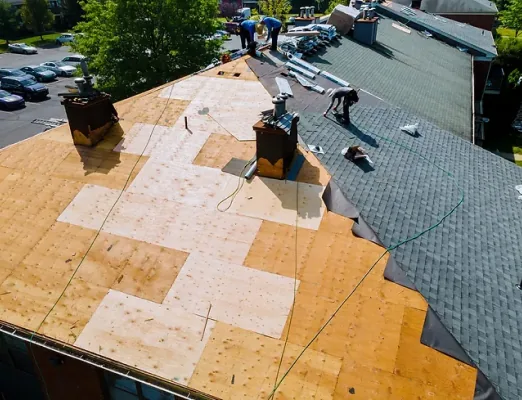
Get a straight answer about your roof
A free inspection and a written estimate you keep. Daniel owns the company and does the estimate himself — there is no sales team, so the person who looks at your roof is the person accountable for the work.